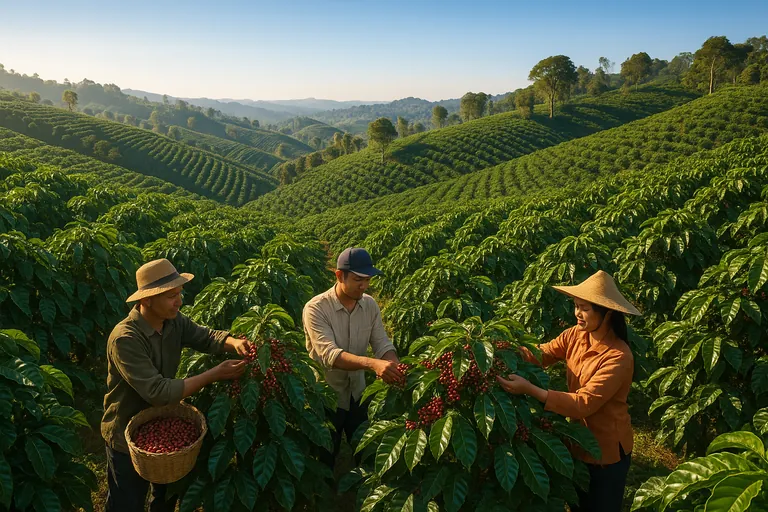
A practical, step-by-step planner to hit Indonesian ethyl acetate (sugarcane) decaf MOQs, book slots, and ship on time in 2025—built from years coordinating origin decaffeination for roasters worldwide.
The hook: how small roasters can go from “no decaf” to FOB-ready in 90 days
In the last year we’ve taken multiple small-to-mid roasters from zero decaf to private‑label Indonesian sugarcane EA decaf shipping FOB inside 8–12 weeks. The playbook isn’t flashy. It’s just disciplined planning around MOQ, slot booking, and QA. Here’s the exact system we use—and what to expect in 2025.
The 3 pillars of making Indonesian EA decaf work
-
Hit the minimum efficiently. EA decaf at origin runs on batch columns. In Indonesia, realistic minimums are 6–12 MT green input per run if you want your own dedicated batch. For small buyers, the workaround is a share‑lot program that lets you reserve 600–1,200 kg inside a consolidated run with compatible profiles.
-
Book the slot early. Origin decaf lines schedule in blocks. In our experience, you should secure a processing window 3–6 weeks before you need coffee at port. Peak periods around Ramadan/Eid and year‑end can push that to 6–8 weeks.
-
Respect QA and rest. EA decaf is gentle but it’s still a solvent-based extraction. The best results come from stable inputs (moisture 10–12.5%, low defect count) and a post‑decaf stabilization rest of 7–14 days before final QC and packing.
Practical takeaway: decide now whether you’ll run a dedicated batch or join a share‑lot—and book around holidays. Everything else flows from that.
Week 1–2: Validate demand, choose inputs, lock specs
You don’t need to taste twenty options. Choose one or two Indonesian profiles that decaf beautifully and are easy to keep consistent year‑round. Our most stable candidates:
- Sumatra classics for chocolate/low‑acid bases: Sumatra Mandheling Green Coffee Beans and Sumatra Lintong Green Coffee Beans
- Cleaner, brighter decafs: Arabica Java Ijen Grade 1 Green Coffee Beans or Arabica Bali Kintamani Grade 1 Green Coffee Beans
- For a spicy-herbal cup with body: Blue Batak Green Coffee Beans
Here’s the thing: what you feed the decaf plant matters as much as the method. We’ve found three inputs predict your outcome and yield more than anything else:
- Moisture and water activity. Keep greens at 10–12.5% moisture and aw ≤0.60. Over-dry coffee is fragile in the steaming phase.
- Screen uniformity. 90%+ screen 16+ reduces uneven extraction and post‑decaf sorting losses.
- Clean cup. Avoid potato, phenolics, heavy ferment. Defects concentrate perception in decaf.
Action in Week 1–2
- Cup a reference decaf from past runs or ask for a 1–2 kg lab simulation if available.
- Confirm how much you’ll commit into a share‑lot or dedicated run.
- Align packaging (60 kg jute + liner or 30 kg vacuum) and export Incoterms.
- Book a processing window. Need help matching your SKU to a slot? You can Contact us on whatsapp for current availability.
Week 3–6: Execute the decaf run and QC like a pro
A realistic Indonesia EA timeline once a slot is booked:
- Pre‑receipt checks. Plant receives and inspects coffee. Moisture, screen, visual defects.
- Pre‑clean and condition. Light polishing and steaming to open pores.
- EA extraction. Sugarcane‑derived ethyl acetate cycles remove caffeine while preserving soluble matrix. Expect 8–12 hours in extraction and rinse phases depending on target caffeine level.
- Drying and polishing. Return coffee to 10.5–11.5% moisture, gentle polish.
- Stabilization rest. 7–14 days for volatiles to normalize and moisture to equalize.
- Lab release. Caffeine content target ≤0.10% on dry basis. Residual solvent and OTA/pesticide spot checks as required by destination.
Yield expectations. Plan for 1–2% mass loss from extraction and handling. If you request a tight screen regrade, add another 2–3%. We budget 3–5% total to be safe.
Packaging. If you choose vacuum bricks, add 3–5 working days to manage degassing and sealing. For most roasteries, 60 kg jute + grainpro is fastest and perfectly stable.
Week 7–12: Pack, book vessel, and scale
Once the CoA is in hand, we pack and move to port. Typical outbound steps:
- Final QC and pre‑shipment sample approval.
- Export docs: Decaf certificate, updated ICO marks, HS 0901.12 for decaffeinated green coffee, commercial invoice, packing list, certificate of origin, phytosanitary if required by the destination.
- Book vessel and confirm VGM. Target earliest sailing 1–2 weeks from doc completion.
Most first‑time buyers scale after the first shipment lands. The two levers that unlock scale are predictable inputs and a standing slot. We often secure a recurring monthly or bi‑monthly window so you’re never waiting 8 weeks when you run low.
The 5 biggest mistakes that kill decaf timelines
- Booking too late. Plants run near capacity in Q1 and Q4. We’ve seen 3-week slips turn into 8 when buyers push booking to “after the PO.”
- Mixing incompatible lots. Don’t blend high‑moisture naturals with tight washed screens in the same run. You’ll chase roast consistency for months.
- Skipping moisture and aw checks. It’s cheap insurance. Over‑dry coffee cracks in conditioning. Over‑wet needs extra drying time.
- Cupping too early. Fresh‑decaf cups thin. Wait 7–10 days. Then set your production roast profile.
- Not pre‑booking packaging. Vacuum film and liners can be short in peak season. Book them with your slot.
The practical FAQs we get every week
What’s the minimum lot size to decaffeinate with ethyl acetate in Indonesia?
For a dedicated run, plan on 6–12 MT green input. That aligns with common column batch sizes and keeps unit costs sensible. Can’t reach that? Yes, small roasters can join a share‑lot. Typical reservations range 600–1,200 kg per participant, processed under a harmonized profile. You’ll approve a pre‑blend or a target cup before we commit your coffee.
How long does EA decaf in Indonesia take from booking to FOB?
On a clean file with packaging decided: 6–8 weeks is normal. Break it down as 1–2 weeks to intake/conditioning, 1–2 weeks extraction + drying, 1–2 weeks rest + lab, and 1–2 weeks docs and vessel booking. In peak months or with organic chain‑of‑custody, plan 8–10 weeks.
Can small roasters combine or share lots to meet the MOQ?
Yes. We run structured share‑lot windows for Sumatran and Java/Bali profiles. The rules of thumb:
- Keep processes compatible. Washed with washed, semi‑washed with semi‑washed. Naturals can work, but align moisture.
- Screen and density within a tight band. Less sorting loss and more even extraction.
- Agree on a master sensory target. Everyone signs off before decaf. Post‑decaf, the batch is packed to each buyer’s allocation.
Which facilities offer EA decaffeination and how do I reserve a slot?
Indonesia has licensed sugarcane EA decaffeination lines operating at origin, primarily in Java’s industrial corridor and North Sumatra. We place runs with partner plants based on your origin, certification needs, and timing. To reserve, we issue a processing contract, confirm specs, and take a deposit to hold the window. If you need a current schedule or a share‑lot calendar, Contact us on whatsapp.
What quality and documentation checks are required before sending coffee to the decaf plant?
Expect this intake checklist:
- Physicals. Moisture 10–12.5%, aw ≤0.60, screen distribution and defect count.
- Traceability. Lot IDs, origin and process, any certifications (Rainforest, Organic, etc.).
- Safety. OTA and pesticide risk assessment. Many buyers request OTA <5 ppb and pesticide multi‑residue screening aligned with EU/US MRLs.
- Export readiness. Confirm post‑decaf HS code 0901.12, desired marks, bag type, and labeling language.
On release, you’ll receive: CoA with caffeine content (typically ≤0.10%), residual solvent check for ethyl acetate, moisture, and sensory notes. For organic, you’ll also need the processor’s organic certificate and transaction certificate linking your lot.
Is Indonesian sugarcane EA decaf compliant with organic or EU/US residue limits?
Sugarcane EA decaf uses food‑grade ethyl acetate derived from sugarcane fermentation. EA is permitted as a processing solvent and is highly volatile. Residual EA in finished coffee is typically non‑detect or well below internal specs used by EU/US buyers. For organic claims, both the EA source and the decaf facility must be certified organic, and the chain‑of‑custody for your coffee must remain intact. We routinely ship to the EU and US with full documentation and have found compliance straightforward when QA and paperwork are handled up front.
When EA is the right call—and when it isn’t
Choose origin EA decaf if you want lower freight versus shipping to a foreign decaf plant, a familiar Sumatran/Java cup profile, and solid scalability once you’ve locked a slot. If you need micro‑MOQs below 500 kg, or you require non‑solvent methods for brand reasons, a water‑processed decaf at destination can be simpler even if unit cost is higher. We’ll give you a straight recommendation either way.
Resources and next steps
- If you’re sourcing inputs now, short‑list one or two stable bases: Sumatra Mandheling Green Coffee Beans, Sumatra Lintong Green Coffee Beans, or Arabica Java Ijen Grade 1 Green Coffee Beans. You can also View our products for alternatives.
- Ready to pencil a calendar? We’ll map your volume into a dedicated or share‑lot run and confirm realistic FOB timing for 2025 peaks and holidays.
We’ve coordinated Indonesian EA decaf for buyers from boutique cafés to national chains. If your plan needs a sanity check—or you’re stuck on MOQ versus timeline—send what you have and we’ll fill the gaps.