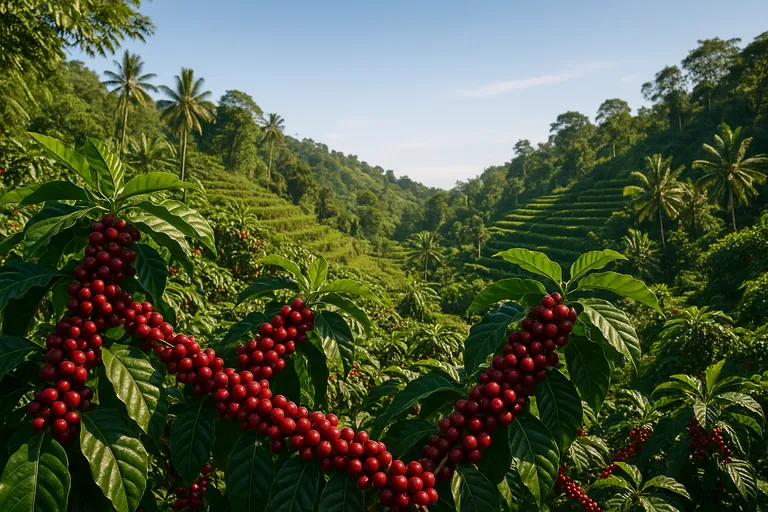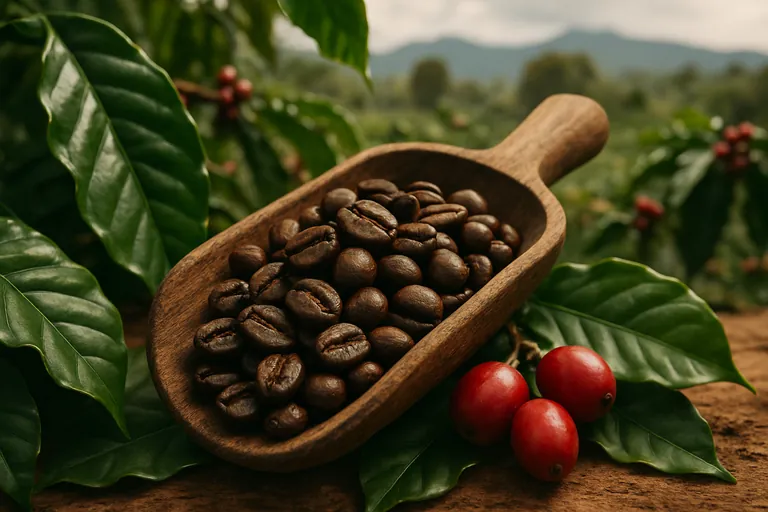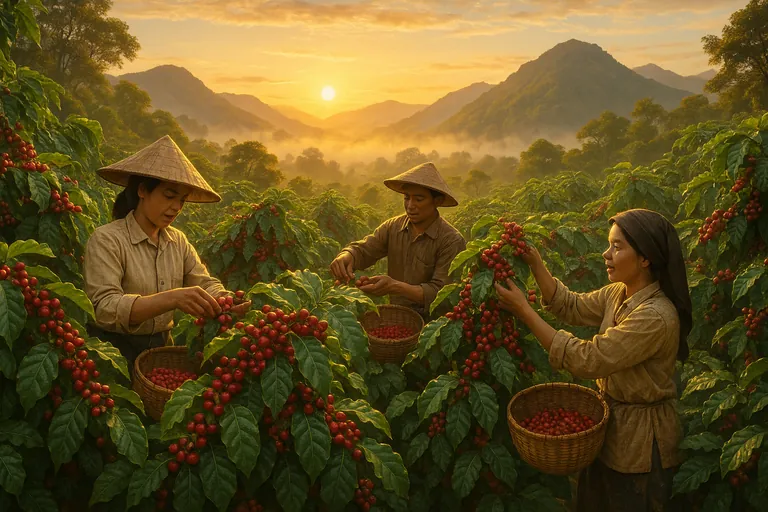
A practical buyer’s guide to sourcing Sulawesi Arabica green beans wholesale in 2026. Learn typical price ranges, grades, MOQ, harvest timing, flavor profile, sample options, and export logistics from an Indonesian supplier with direct origin access.
If you're evaluating Sulawesi Arabica green beans wholesale for 2026, the short answer is this. Good exportable Sulawesi lots usually sit in the 82 to 85.5 SCA range, most commercial wholesale buying starts from sample lots or 1 bag trials, and full-container economics improve meaningfully once you move beyond 10 to 20 bags. For Grade 1 style lots from Tana Toraja and Kalosi, buyers should expect pricing to vary by process, screen retention, defect count, and shipment size. In our experience, the right buying decision comes down less to headline price and more to cup consistency, moisture stability, and honest lot separation.
We work directly with Indonesian origins, including Sulawesi, and this guide is written for roasters, importers, and café buyers who need practical sourcing answers fast.
Why FAQ format works for Sulawesi sourcing
Sulawesi is often sold on reputation alone. Buyers hear “Toraja,” “Kalosi,” or “highland Arabica,” but still don’t get the details they need to commit. A FAQ format works because the buying friction is usually specific. What score should I expect. How is the coffee processed. Can I buy less than a container. What happens if moisture drifts in transit.
From a sourcing perspective, those are the questions that determine whether a coffee makes sense for your menu, roast profile, and margin target.
Technical buying questions buyers actually ask
What flavor profile should I expect from Sulawesi Arabica?
Most Sulawesi Arabica we export from Tana Toraja, Enrekang, and Kalosi-linked highland supply chains lands in a profile of dark chocolate, soft spice, dried herbs, cedar, and syrupy body, with acidity ranging from soft to bright depending on process. Wet-hulled lots tend to show more earthy-herbal depth and heavier body. Cleaner washed selections show more structure and better separation in the cup.
Our current Sulawesi portfolio reflects that difference clearly. Sulawesi Kalosi Green Coffee Beans (Toraja Kalosi) is a good fit for roasters who want floral aromatics with chocolate and mild bitterness, while Sulawesi Toraja Green Coffee Beans (Sulawesi Toraja Grade 1) suits buyers looking for a fuller, higher-acidity cup with herbal and spicy character.
Here’s what this means for your roastery. If your lineup already includes a low-acid Sumatra, Sulawesi can give you Indonesian body without duplicating the same cup exactly.
How does wet-hulling affect shelf life and roast behavior?
Sulawesi is still commonly traded with a wet-hulled influence, even when suppliers use cleaner pre-drying and sorting protocols than in the past. At origin, we watch moisture target closely, ideally around 11 to 12.5%, because this matters more than the label on the bag. Wet-hulled coffees can roast beautifully, but they punish weak green grading. Uneven drying becomes uneven heat transfer.
What most buyers overlook is that a visually “traditional” Sulawesi lot can still be stable if the supplier controls final drying, bagging, and warehouse rotation properly. Ask for moisture, density, screen size, and defect count together, not separately.
What cupping score should I expect from wholesale Sulawesi Arabica?
For bulk buying, we think of Sulawesi in three practical bands.
- 80 to 82. Commercial clean cup. Usually blend-oriented.
- 82 to 84.5. Strong specialty-commercial range. This is where many dependable roastery staples sit.
- 84.5 to 86. Better separation, cleaner sweetness, more articulated herbal-spice and chocolate notes. Usually smaller-volume lots.
This season, the lots we see buyers reorder most often are not always the highest-scoring. They’re the ones with the best sample-to-shipment consistency. That matters more than chasing one impressive pre-shipment table score.
If you want to compare Sulawesi against other Indonesian profiles before deciding, View our products and line it up against Flores, Java, or Sumatra options.
How do I verify grade and physical quality before buying?
Ask for five things minimum.
-
Defect count basis. Grade 1 claims should be tied to a stated sorting standard.
-
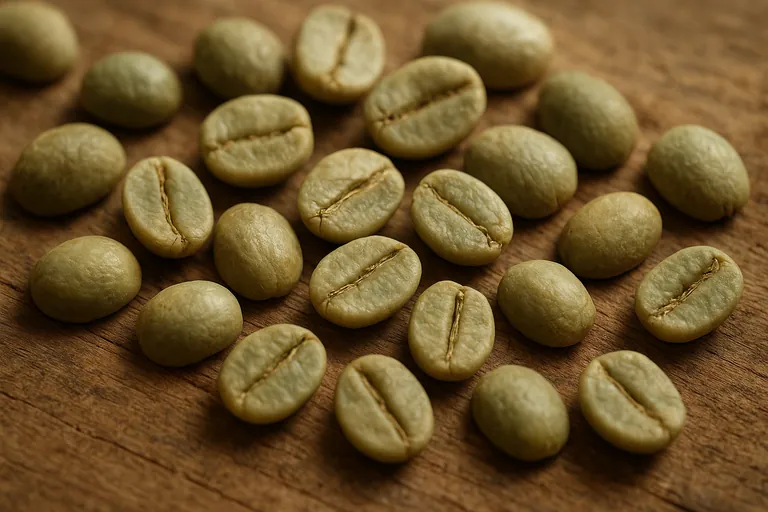
Screen size range. For example, 15 up, 16 up, or mixed screens.
-
Moisture and water activity if available.
-
Processing method. Wet-hulled, washed, honey, or natural.
-
Pre-shipment cup sheet from the actual lot, not a generic regional profile.
At origin, we also recommend asking where the coffee was collected and milled. In Sulawesi, a lot described as “Toraja” may pass through multiple collector layers before export. We prefer to identify whether it came from smallholder groups around Tana Toraja, Sapan, Rantepao, or Enrekang-linked supply, and whether final sorting was done at a dedicated dry mill or mixed with broader regional stock.
That level of detail helps you separate authentic Sulawesi specialty coffee supplier relationships from simple relabeling.
Are samples available before I place a bulk order?
Yes, and serious buyers should always cup before committing. For new customers, we typically recommend a staged approach. Lab sample first, then approval sample, then trial quantity or first bag shipment if needed before larger booking.
If you want to taste current Sulawesi availability or compare Toraja against Kalosi-style profiles, Contact us on whatsapp. We can discuss what profile you need and which lot is closest.
Content questions that shape the buying decision
What is the typical wholesale price of Sulawesi Arabica green beans?
For 2026 planning, buyers should think in ranges, not one number. In export markets, Sulawesi green coffee wholesale price is usually shaped by lot size, quality band, process, and whether the coffee is spot, fresh crop, or pre-booked.
A practical planning range for FOB Indonesia is often:
- Commercial clean cup / lower specialty. Around USD 6.50 to 8.00/kg.
- Grade 1 / solid specialty wholesale. Around USD 8.00 to 10.50/kg.
- Higher scoring microlot-style Sulawesi. Often USD 10.50/kg and above in smaller volumes.
These are planning benchmarks, not fixed offers. Freight, destination, packaging, and certification requirements can move final landed cost significantly. If someone offers very cheap “Toraja” with no recent cup sheet, no moisture data, and no lot separation, there is usually a reason.
What MOQ should I expect when buying Sulawesi green beans in bulk?
For Sulawesi coffee grade and MOQ, the market is more flexible than many buyers assume. Typical structures look like this.
- Samples. 200 g to 1 kg.
- Trial orders. 1 to 5 bags.
- Regular wholesale. 10 to 50 bags.
- Container programs. Mixed-origin or single-origin FCL bookings.
For many specialty roasters, a 5 to 10 bag opening order is the right balance. It gives enough volume to validate roast performance across batches without overcommitting to a profile you’ve only cupped once.
How can I be sure the coffee is ethically sourced?
Ethical sourcing in Sulawesi should be verified through chain-of-custody clarity, not broad marketing language. We suggest asking who collected the cherries or parchment, who processed them, whether pricing was negotiated through a cooperative or local collector network, and whether the supplier has visited the producing communities.
In our own sourcing work across Indonesia, the difference is simple. We don’t rely only on trader descriptions. We track origin details, processing style, and post-harvest handling because those things affect both ethics and cup quality. In Sulawesi especially, transparent sourcing usually produces more transparent flavor.
How does Sulawesi compare with other Indonesian Arabicas?
For buyers building an Indonesian program, Sulawesi usually sits between regions stylistically.
- Compared with Sumatra Mandheling. Sulawesi is often cleaner and more structured, with less bass-heavy earthiness.
- Compared with Flores. Sulawesi is usually deeper and more herbal, while Flores can show more citric lift and chocolate clarity. See Flores Green Coffee Beans (Grade 1).
- Compared with Java. Sulawesi is heavier-bodied and more rustic-spiced, while Java often cups softer and more floral. See Java Preanger Grade 1 Green Coffee Beans.
That comparison matters if you’re deciding between a single-origin release and an Indonesian component for blends.
Can I order Sulawesi green beans online and still control quality?
Yes, but only if the online order process is backed by real lot documentation. Before you order Sulawesi green beans online, confirm the crop month, grade basis, sample reference, packaging format, and shipping term. “Available now” means very little without those details.
The best online sourcing relationships still involve human discussion at the decision stage. Buyers usually need clarification on screen size, moisture, or whether a lot is better for filter, omni, or espresso.
Growth questions for roasters and importers
Which Sulawesi profile works best for blends?
Wet-hulled or semi-clean Sulawesi is excellent when you need body, dark chocolate, spice, and structure in espresso blends without the heavier earth profile some Sumatras bring. We often see it used at 20 to 40% in blends for milk drinks.
Is Sulawesi suitable for single-origin retail?
Yes, especially cleaner Grade 1 or washed-forward lots in the 84+ range. The key is expectation setting. Sell it on texture, spice, chocolate, and savory complexity, not on high-toned florals unless the lot truly cups that way.
How should I think about certification?
Not every strong Sulawesi lot comes with the certification every buyer wants. If certification is mandatory, say it early. If cup quality and traceability matter more, you may have more sourcing flexibility.
What shipment options are common?
Most buyers choose FOB Indonesian port, though we also support quotation discussions for destination-based shipments depending on volume and market. For smaller buyers, consolidated shipping can make more sense than chasing the lowest green price per kilo.
What lead time should I expect?
For fresh allocation, assume time for sample approval, milling prep, export documentation, stuffing, and vessel booking. Sulawesi can move efficiently, but realistic planning beats rushed buying every time.
Business questions buyers should settle early
What documents should an exporter provide?
At minimum, expect invoice, packing list, shipping documents, and origin/export documentation required for your market. If phytosanitary or additional compliance paperwork is needed, align that before payment terms are finalized.
What packaging is typical?
Usually GrainPro-style inner lining with jute or PP outer packaging for green coffee export. If you need private labeling or alternative bag weights, discuss it before milling.
What payment terms are common?
For new relationships, partial advance and balance before shipment or against agreed milestones is common. Established buyers may negotiate differently.
How do I reduce risk on my first order?
Cup the sample. Approve the exact lot. Start with a manageable volume. Confirm moisture and defect tolerance in writing. This sounds basic, but it prevents most first-order disputes.
What if Sulawesi isn't the right fit for my menu?
That happens. Some buyers come in asking for Toraja and end up preferring a cleaner floral Java or a brighter Bali. If your target profile is more citrus-driven and less herbal, compare with Arabica Bali Kintamani Grade 1 Green Coffee Beans before committing.
Myth-busting what many Sulawesi buyers get wrong
“All Toraja coffees taste the same.”
They don’t. Altitude, process, drying discipline, and lot assembly change the cup dramatically.
“Grade 1 automatically means specialty.”
It doesn’t. Physical grade is important, but cup score and consistency still decide commercial value.
“The cheapest Sulawesi offer is the best wholesale deal.”
Usually not. Lower-priced lots often hide higher roast loss, more sorting time, or weaker repeatability.
Quick-start checklist for sourcing Sulawesi in 2026
- Define whether you need single-origin or blend component.
- Choose your target cup band. 82 to 84 or 84 plus.
- Ask for process, screen, moisture, defect count, and crop timing.
- Cup the sample against at least one alternative Indonesian origin.
- Start with a trial volume that matches your roast schedule.
- Confirm shipping term and document requirements before deposit.
If you're ready to compare current Sulawesi availability, discuss MOQ, or request a lot sheet, Contact us on email. We’ll help you assess whether Sulawesi is the right fit for your roasting program, and if not, we’ll tell you which Indonesian profile likely is.