A practical 2026 sourcing guide for buyers evaluating Java Arabica coffee wholesale, including MOQ, grading, cupping expectations, price ranges, harvest timing, export considerations, and how to verify quality with a direct Indonesian supplier.
If you're evaluating Java Arabica coffee wholesale in 2026, the short answer is this. Expect typical export MOQs from 1 to 5 bags for samples or trial orders, and 10 to 20 bags for more efficient full-container consolidation. For specialty-grade Java lots, buyers usually see cupping scores around 82 to 86, harvest availability peaking after mid-year depending on region, and pricing that changes materially based on process, screen size, defect count, and whether the supplier has direct farm access. The safest way to buy is to verify lot data, request pre-shipment samples, and work with an exporter who can explain exactly where the coffee was grown, processed, and sorted.
As the Indonesia-Coffee Team, this is how we guide roasters, importers, and café buyers when they compare Java against other Indonesian origins.
Why use an FAQ format when sourcing Java Arabica wholesale?
Buyers don't need a romantic history of Java. They need fast answers to sourcing questions that affect margin, roast planning, and customer acceptance.
That's why this guide is structured around the questions we hear most often from specialty roasters and importers. MOQ. grading. cupping range. shipping. documentation. And, just as important, how to avoid paying specialty prices for coffee that was only marketed as specialty.
From a sourcing perspective, Java is attractive because it gives you a cleaner, more structured cup than many buyers expect from Indonesia. In our lots from West Java Preanger and East Java Ijen, the common thread is balanced body, chocolate sweetness, mild spice, and more defined acidity than classic wet-hulled Sumatra.
Technical buyer questions
What is the typical minimum order quantity for Java Arabica coffee wholesale?
For most export buyers, realistic MOQ depends on purpose.
For approval samples, we usually see 300 g to 2 kg roasted or green sample sets. For trial green purchases, 1 to 5 bags is common if the shipment is consolidated with other origins. For regular wholesale Java Arabica beans, many buyers move into 10-bag, 20-bag, or mixed-origin container programs because freight economics improve sharply there.
If you're buying your first Java lot, don't let a supplier pressure you into a full container before cup approval. A practical first order is often a mixed shipment with Java plus another origin such as Java Preanger Grade 1 Green Coffee Beans or Arabica Java Ijen Grade 1 Green Coffee Beans alongside a comparative Indonesian coffee for blend development.
How can I verify the grade and quality of Java Arabica green coffee?
Start with four checks. Ask for defect grade, moisture, screen size distribution, and crop timing. Then ask for the cup score and the cupping protocol used.
For Grade 1 Java Arabica, we expect buyers to request defect count details based on Indonesian export grading, moisture generally around 11 to 12.5 percent, and clear process identification. Fully washed Ijen lots typically cup cleaner and brighter. Semi-washed Preanger lots usually show softer acidity, floral top notes, and more chocolate-caramel body.
What most buyers overlook is consistency between the offer sample and the shippable lot. We recommend asking for lot photos, warehouse videos, and pre-shipment sample approval. If you want to compare Java side by side with another clean Indonesian profile, Arabica Bali Kintamani Grade 1 Green Coffee Beans is often a useful benchmark because its citrus profile makes Java's chocolate-spice balance easier to evaluate.
If you'd like current crop sample options, Contact us on whatsapp. We can recommend lots based on your roast style and target menu.
What cupping score should I expect from Java Arabica?
For commercial specialty buying, a realistic working range is 82 to 86 SCA depending on region, process, and sorting discipline.
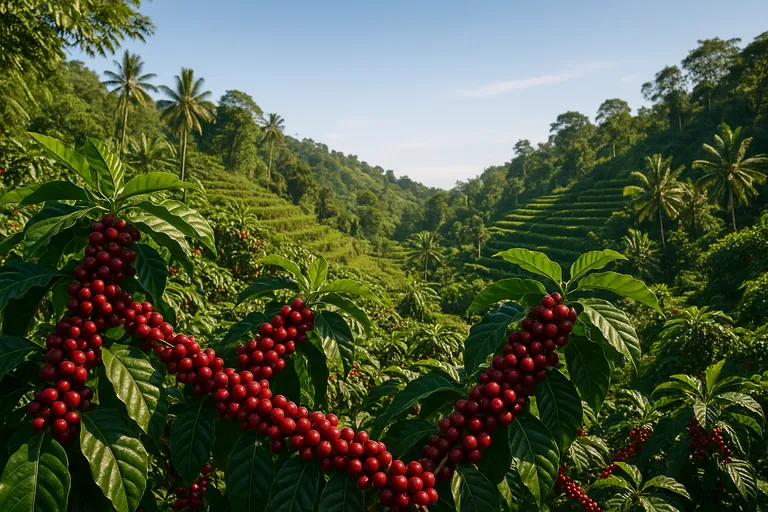
Our West Java Preanger selections are commonly positioned for buyers seeking floral, fresh-spicy, dark chocolate, and caramel notes with soft to medium acidity. East Java Ijen tends to present a cleaner structure, higher perceived acidity, medium body, and a spicy-chocolate finish. Altitude generally falls around 1,200 to 1,700 masl depending on subregion and producer group.
Here's what this means for your roastery. If you need a versatile single origin with broad consumer appeal, Java Preanger is often the safer commercial choice. If you want more brightness and clearer acidity for filter programs, Ijen usually gives you a better platform.
What processing methods matter most in Java?
In Java, process isn't a minor detail. It changes the buyer outcome.
Semi-washed and fully washed lots dominate the discussions we have with wholesale buyers. Fully washed Java lots usually offer better cup clarity and easier sample-to-production predictability. Semi-washed lots can bring more body and sweeter chocolate character, but lot variation can be wider if cherry selection and drying discipline were uneven.
At the farm and station level, we pay close attention to drying bed turnover, fermentation timing, and final stabilization before milling. Those details affect shelf life, water activity, and whether the coffee stays clean after a long sea transit.
What certifications or standards should authentic Java Arabica have?
Not every strong Java lot carries the same certifications, so buyers should separate quality from paperwork and then decide what their market needs.
The baseline is export readiness. That means phytosanitary documents, certificate of origin where required, packing list, invoice, and compliance with the buyer's destination market. Some buyers also ask for food safety documentation, traceability data, or organic documentation for specific programs. If certification is a must-have, ask before sampling, not after approval.
For buyers building an Indonesian portfolio, it can also help to compare certified and non-certified options from other regions such as Sumatra Arabica Organic Grade 2 Green Coffee Beans when certification matters more than Java-specific branding.
Content questions buyers ask before placing an order
What harvest months should I target for the freshest Java Arabica?
For Java Arabica wholesale availability in peak season, the main buying window generally opens after harvest and milling, with many lots becoming more active in the market from mid-year into late year. Exact timing varies by West Java and East Java microclimate.
In practice, we advise buyers to start sample discussions 6 to 10 weeks before they need approval, especially if they want Grade 1 lots with tighter sorting. Waiting until everyone else is chasing the same profile usually means higher prices or more compromise on cup character.
What pricing ranges should I expect in 2026?
Java Arabica wholesale price per kg in 2026 will vary with global Arabica market conditions, exchange rates, freight, and local cherry competition. For specialty exportable green coffee, buyers should expect clear separation between commercial-grade Java and well-prepared Grade 1 microlot-style selections.
As a working framework, fully washed Grade 1 Java with traceable lot data and specialty cupping typically prices above generic blended Java offers. Semi-washed lots may come in lower or similar depending on cup score and physical prep. If a quote looks unusually cheap, ask what was traded off. Defect tolerance, mixed crop age, poor screen consistency, or weak drying are the usual answers.
The so what is simple. Don't compare Java Arabica wholesale price without comparing physical specs and cup outcome. A lower FOB can become a higher landed cost per usable kilo if roast loss, sorting loss, or cup inconsistency is worse.
Are sample options available before making a bulk purchase?
Yes, and serious buyers should insist on them.
We generally recommend a staged sample process. First, a small green or roasted selection sample for cup screening. Second, a confirmation sample from the intended shipping lot. Third, pre-shipment approval if the order timeline is tight or the coffee is part of a private-label launch.
This is especially important if you're deciding between Java and other Indonesian components for a blend. Some buyers cup Java Preanger against Sulawesi Kalosi Green Coffee Beans (Toraja Kalosi) or Sumatra styles to decide whether they want cleaner chocolate-spice structure or deeper earthy body.
Growth questions for roasters and importers
How does direct farm access affect quality and pricing?
Direct farm access matters because it changes both information quality and negotiation reality.
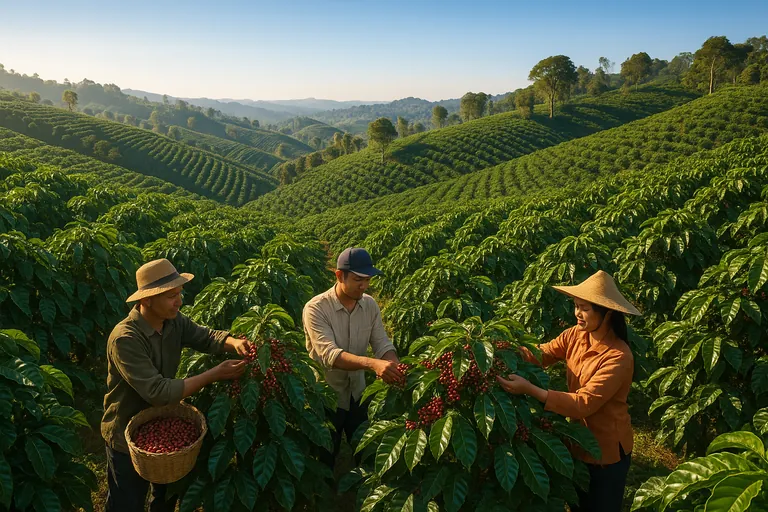
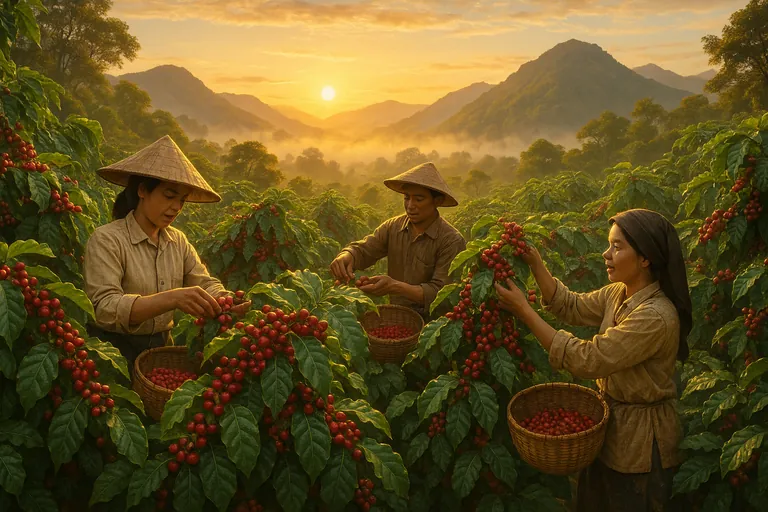
When we source with field relationships, we can tell you whether a lot came from smallholders at 1,400 to 1,600 masl or from a broader pooled area. We can explain whether the coffee was fully washed at a centralized station or semi-washed in a decentralized chain. We can also catch issues early. Uneven cherry ripeness. Delayed drying after rain. Storage conditions before milling.
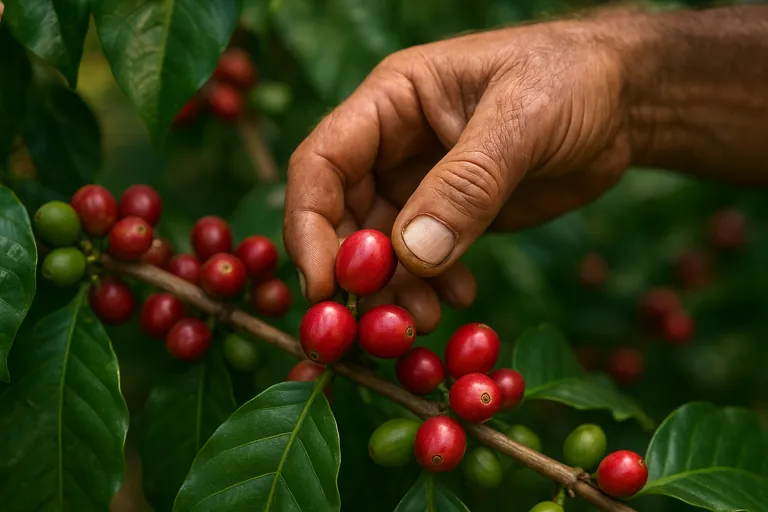
For buyers, that usually means fewer surprises and better value alignment. You may not always get the lowest headline price, but you get a more accurate one because the lot is described honestly.
Which Java grade is best for specialty roasters?
If your business depends on menu transparency and repeatability, start with Grade 1.
For buyers who want a clean, classic Java profile, Java Preanger Grade 1 Green Coffee Beans is a strong fit for espresso and approachable single-origin programs. If your customers respond to brighter acidity and cleaner washed profiles, Arabica Java Ijen Grade 1 Green Coffee Beans is often the better choice.
Ready to compare actual specs and available Indonesian lots? View our products.
Business questions that affect your first import
What are the main export considerations when ordering from Indonesian suppliers?
For Java Arabica coffee export, buyers should focus on five practical points. Incoterms. packing format. moisture stability. document readiness. and transit planning.
Most green coffee exports move in GrainPro-lined jute or PP bags, commonly 60 kg or 69 kg depending on program. We watch moisture closely because Java's cleaner washed profiles can still lose value if they travel with unstable water activity. On documents, importers should confirm destination-specific needs early, especially for phytosanitary and labeling requirements.
Container strategy also matters. Mixed-origin shipments can reduce MOQ friction and help you test Java without overcommitting. That's often a smarter first move than buying one origin too deep.
What payment and shipping terms are normal?
For new relationships, many suppliers work on advance payment or partial advance with balance against shipping documents. Established buyers may move to more flexible structures depending on volume and history.
Shipping lead time depends on consolidation schedule, port availability, and destination. The most useful question isn't just transit time. It's whether the supplier can give you a realistic production-to-port timeline with updates.
How should café owners and smaller roasters buy Java in bulk?
If you're a café owner or a smaller specialty roaster, don't chase the biggest lot first. Chase the most repeatable one.
A 5 to 20 bag purchase of a well-prepared Java Grade 1 lot is often more commercially successful than a larger, cheaper lot with variable screen size or cup. If you need help matching Java to your espresso or filter menu, Contact us on email.
Myth-busting: what buyers often get wrong about Java Arabica
“All Java coffees taste the same.”
They don't. West Java Preanger and East Java Ijen can cup very differently, especially once process and altitude are factored in.
“The cheapest FOB offer is the best wholesale deal.”
Usually false. Sorting loss, defect count, and cup inconsistency can erase any upfront savings.
“Specialty grade automatically means excellent traceability.”
Not always. Some sellers use specialty language without producer-level detail. Ask for names, elevations, harvest period, process notes, and lot separation method.
Quick-start checklist for buying Java Arabica coffee wholesale in 2026
- Define your target cup. Chocolate-forward, floral-spicy, or brighter washed profile.
- Ask for lot specifics. Region, altitude, process, crop timing, moisture, screen size, defect count, and cupping score.
- Request samples in stages. Screening sample first, shipping-lot confirmation second.
- Compare quotes by usable quality, not just FOB price.
- Confirm MOQ, bag format, documents, and Incoterms before approval.
- Consider a mixed-origin first shipment if this is your first Indonesian buy.
If you're seriously evaluating where to buy Java Arabica coffee wholesale in Indonesia, the best next step is simple. Cup the right lots with complete data behind them. That's how you make a confident buying decision, and it's how we prefer to work as an exporter.
We can help you shortlist Java profiles, compare Preanger vs Ijen, and prepare sample options that fit your roast program and market.