A practical 2026 buyer’s guide to Java Robusta green coffee wholesale covering MOQ, grades, pricing, samples, export process, flavor profile, and traceability from an Indonesian exporter’s perspective.
If you’re evaluating Java Robusta green coffee wholesale for 2026, the short answer is this. Serious export-ready lots usually start at 1 FCL mixed or single-origin programs, but sample and trial volumes are possible first. For commercial buyers, the key buying variables are grade verification, screen size, moisture, defect count, harvest timing, and whether the supplier can actually trace the lot back to mills and farmer groups in East or Central Java. Price matters, but on Java Robusta, consistency and shipping reliability usually matter more.
We’re the Indonesia-Coffee Team, and when we source Indonesian coffees, we look at Java the way buyers do. Not as a romantic origin story, but as a risk-adjusted sourcing decision. Below is the practical FAQ we’d want a roaster, importer, or café chain buyer to read before placing a Java Robusta coffee bean order.
Why FAQ format works for Java Robusta buyers
Most buyers researching Java Robusta green coffee wholesale aren’t looking for coffee history. They need fast answers to sourcing questions that affect landed cost, roast performance, and repeatability.
So we’ve organized this as a working buyer FAQ. It covers quality control, pricing, export handling, commercial fit, and the issues that usually delay a purchase order.
Technical questions buyers ask before placing an order
What is the typical MOQ for Java Robusta green coffee wholesale?
For export, the practical MOQ depends on whether you are buying containerized bulk, palletized bags, or consolidated mixed-origin shipments. For most Java Robusta programs, buyers typically start from 19.2 MT in a 20 ft container if they want the best freight economics.
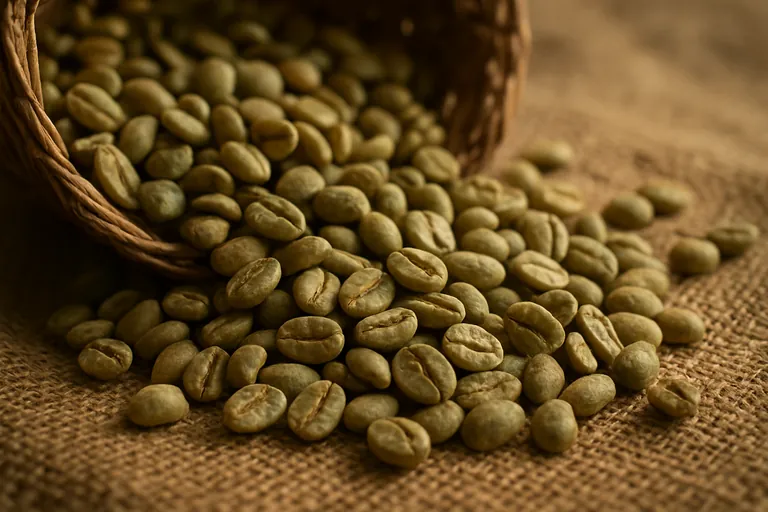
That said, first-time buyers often begin with sample sets, then trial lots, then scale. We regularly advise roasters to cup before committing, especially if the coffee is intended for espresso blends, soluble production, or dark roast retail lines.
What this means for your roastery is simple. If you need flexibility, ask whether the supplier can combine Java Robusta with other Indonesian coffees in one shipment. For example, some buyers pair Robusta with Java Preanger Grade 1 Green Coffee Beans or Arabica Java Ijen Grade 1 Green Coffee Beans for blend development.
How do I verify the coffee grade when buying Java Robusta beans?
Don’t buy on grade name alone. Ask for the full specification sheet. At minimum, verify screen size, moisture, defect tolerance, triage percentage, bean count per 300 grams if relevant, and processing method.
For Indonesian Robusta, we also recommend asking for crop year, harvest window, and photos of pre-shipment samples plus bag marking format. On Java and nearby Robusta programs, a realistic export spec often includes screen 15–19, moisture max 12.5–13%, and declared sorting loss. If a supplier can’t provide those details clearly, that’s usually your first red flag.
This is where buyers often compare Java against Sumatra Robusta. For example, our Robusta Lampung Green Coffee Beans (ELB & Grades 2–4) and Bali Kintamani Robusta ELB 350BC Green Coffee Beans show the level of spec transparency serious buyers should expect from any Indonesian Robusta supplier.
Can I get farm direct Java Robusta green coffee samples before ordering?
Yes, and you should. We strongly recommend sample approval before any bulk Java Robusta coffee wholesale Indonesia order.
A proper sample set should include at least one pre-shipment sample, not just a generic reference sample from an older lot. If you’re evaluating for espresso, ask for roast guidance and target profile notes. If you’re evaluating for soluble or industrial use, ask for moisture stability and screen distribution because those affect throughput and roast uniformity.
Want to taste before discussing container volume? Contact us on whatsapp.
How does the export process work for Java Robusta coffee from Indonesia?
For most importers, the process is straightforward when documents are prepared correctly. We confirm lot availability, send samples, lock the commercial spec, issue the proforma invoice, receive payment according to agreed terms, mill and pack the lot, then ship with export documentation.
Typical documents include commercial invoice, packing list, bill of lading, certificate of origin, and phytosanitary certificate where required by destination market. Some buyers also request fumigation paperwork or additional compliance documents depending on country rules.
From a sourcing perspective, what matters is whether the exporter handles this routinely. Coffee can be good and still become a bad purchase if booking, stuffing, or paperwork is weak. If this is your first Indonesian shipment, Contact us on email and our export team can walk you through the process.
Are there certifications that guarantee the origin of Java Robusta coffee?
Certifications can support a claim, but they don’t replace traceability. For origin verification, buyers should ask for farmer group or mill references, district-level sourcing details, crop year, and export documents that match the shipment.
What most buyers overlook is that “Java Robusta” can be commercially true but still too broad for quality-focused programs. We prefer lot-level transparency whenever possible. That means naming the regency, processing point, harvest period, and grade specs rather than relying on marketing language alone.
Content questions that affect cup quality and buying fit
What flavor profile can I expect from Java Robusta green coffee?
A good Java Robusta lot usually cups cleaner than low-grade commodity Robustas and shows earthy cocoa, roasted nut, dark chocolate, woody spice, and a firm bitter backbone. In better prepared lots, especially carefully sorted natural-dried coffee, you may also find a surprisingly clean finish and lower harshness than buyers expect.
In our experience, commercial-grade Java Robusta tends to work best in espresso blends, ready-to-drink bases, dark roast profiles, and soluble manufacturing. If you’re after sweetness and structure without excessive acidity, Java Robusta can be very effective at 10% to 40% blend inclusion depending on your roast style.
How does Java Robusta compare with Arabica for roasting?
Java Robusta and Java Arabica solve different problems. Robusta gives body, crema, caffeine impact, and cost efficiency. Arabica gives aromatic lift, acidity, and more complexity at lighter roasts.
Here’s what this means for your buying decision. If you’re building a café espresso blend for milk drinks and need margin protection, Java Robusta often makes sense. If you need higher fragrance and single-origin retail appeal, look at Java Preanger Grade 1 Green Coffee Beans or Arabica Java Ijen Grade 1 Green Coffee Beans instead.
What cupping score should I expect from export-grade Java Robusta?
For mainstream commercial buying, many Java Robusta lots are not sold on SCA-style specialty scoring in the same way as Arabica. Buyers should focus on cleanliness, consistency, defect management, and application fit.
For higher-end Robusta selections in Indonesia, we’ve seen well-prepared lots cup in the low-80s when evaluated carefully, but most wholesale buyers care more about repeatability in production than a headline score. Ask for the cup notes and the roast application, not just a number.
What harvest months should buyers watch for in 2026?
Java Robusta harvest timing varies by microclimate and district, but buyers should generally monitor main movement from around May to September, with some earlier or later flow depending on rainfall pattern and elevation. Milling and export readiness usually lag harvest by several weeks.
Fresh-crop timing matters. If you buy too early, preparation may still be uneven. If you buy too late without proper storage controls, cup freshness and moisture stability can drift. We advise buyers to secure samples close to the intended shipment window.
Does processing method affect shelf life and roast behavior?
Yes. Most Java Robusta offered for export is natural or dry-processed, and preparation quality makes a major difference. Cleaner drying and consistent moisture control improve stability, reduce baggy notes, and make roast development more predictable.
From a buyer’s perspective, that means processing discipline matters almost as much as origin. We’ve rejected lots with acceptable origin claims but weak drying because they won’t hold up in transit or warehouse storage the way export coffee should.
Growth questions for roasters and café buyers
Is Java Robusta suitable for specialty-adjacent café programs?
Yes, if positioned correctly. It works especially well in house espresso blends, strong black coffee programs, cold brew, and value-focused retail SKUs.
The mistake is trying to sell Robusta as if it were floral washed Arabica. Instead, sell it for what it does well. Body, crema, intensity, and chocolate-driven blend structure.
Where do buyers usually get the best value?
Usually not by chasing the very lowest FOB quote. The best value comes from stable grade specs, lower defect risk, and a supplier who can keep replacement lots consistent across shipments.
That’s why many buyers compare Java against nearby alternatives like Sumatra Robusta Green Coffee Beans or Robusta Sidikalang Green Coffee Beans (Grade 2). Different origins can shift your landed economics once shrinkage, roast loss, and blend performance are considered.
How should I evaluate a supplier beyond price?
Ask three things. Can they provide current-crop traceability. Can they explain the grade in operational terms. Can they ship on time with correct documents.
If the answer is vague on any of those, price won’t save the deal.
Business questions that affect landed risk
What are current wholesale prices for Java Robusta green coffee in 2026?
Prices move with ICE-related sentiment, local cherry supply, exchange rates, and freight. So any fixed number in a public article becomes outdated quickly. For 2026 planning, buyers should expect meaningful variation based on grade, screen size, preparation level, and container program.
As a rule, better-sorted ELB-style or cleaner preparation lots will command a premium over standard commercial grades. Buyers should compare offers on FOB basis with full specs attached, not on headline price alone.
Ready to compare actual specs and available Indonesian lots? View our products.
What payment terms are normal for a Java Robusta green coffee exporter?
For new relationships, many exporters work on advance payment or a deposit balance structure before shipment. Established buyers may negotiate different terms once trade history is proven.
The practical point is this. Reliable suppliers won’t usually offer aggressive open terms to first-time buyers, and serious buyers understand why.
How should importers manage first-order risk?
Start with approved samples, insist on pre-shipment confirmation, and document the exact grade, bag count, and weight tolerance in the contract. Also confirm whether shipment will be in GrainPro-lined bags, standard jute, or another agreed format.
That extra clarity prevents most disputes before they happen.
Myth-busting: what buyers often get wrong about Java Robusta
Myth 1. Cheapest Robusta is best for margins.
Not if defect rates, moisture inconsistency, or roast unevenness create waste. Cheap coffee can become expensive after shrink, rejects, and customer complaints.
Myth 2. Origin name is enough traceability.
It isn’t. Java is a large island. Serious sourcing means regency, mill, crop timing, and lot specs.
Myth 3. Robusta is only for instant coffee.
Not anymore. Well-selected Indonesian Robusta is widely used in espresso blends, RTD, and modern café programs where body and crema matter.
Quick-start checklist for buying Java Robusta wholesale
What should you do next?
- Define the use case. Espresso blend, soluble, dark roast retail, or foodservice.
- Request full specs. Grade, screen size, moisture, defects, crop year, process.
- Cup a current sample. Preferably pre-shipment sample.
- Compare landed value, not just FOB price.
- Confirm export documents and shipment schedule before paying.
If you’re narrowing suppliers now, the best next step is to review available Indonesian coffees and decide whether you want a Java-only program or a broader Indonesia blend strategy. We can help with both, especially if you want to compare Java Robusta against Sumatra or Bali Robusta options with the same exporter managing quality control and logistics.