A practical buyer’s guide to sourcing Papua coffee wholesale in 2026, including typical cupping scores, harvest windows, MOQ, grade benchmarks, export requirements, and realistic price context from an Indonesian exporter.
If you're looking for a reliable Papua coffee supplier wholesale in 2026, the short answer is this. Buy through an Indonesian exporter that already manages farm relationships, lot separation, quality control, and export documentation. Papua can produce beautiful cups, usually 82–86 SCA, but supply is less standardized than Aceh, Java, or Toraja, so the real buying risk is inconsistency, not availability alone. For most roasters, the best path is to request a pre-shipment sample, confirm grade specs, and buy from an exporter who can consolidate origin and handle the full export process.
From our side at Indonesia-Coffee, that's exactly how we advise buyers to approach Papua. Here’s what matters before you commit.
What makes Papua coffee worth sourcing in 2026?
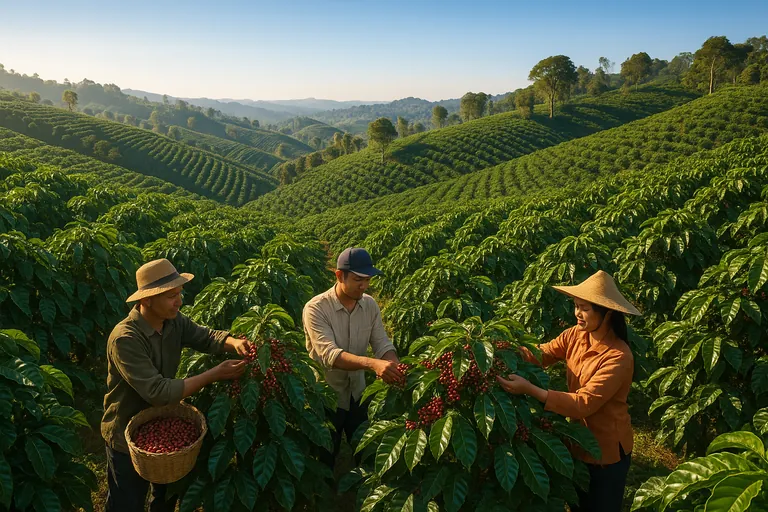
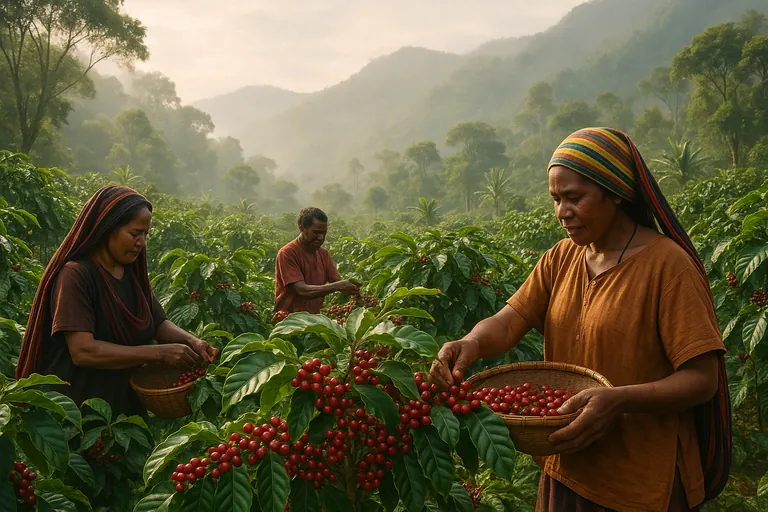
Papua sits in a different buying position than more established Indonesian origins. In regions such as Wamena, the Baliem Valley, Dogiyai, and parts of Pegunungan Bintang, Arabica is commonly grown at 1,400 to 1,800 masl, often by smallholders farming less than 1 hectare. The cup can be surprisingly elegant for Indonesia. Think floral aromatics, brown sugar sweetness, herbal spice, citrus lift, and a tea-like to medium body depending on process.
What most buyers overlook is that Papua is still a relationship market. Lots are often assembled from village-level collectors, church-linked grower groups, or small washing stations rather than large, highly systematized mills. That means strong potential, but also more variance lot to lot.
From a sourcing perspective, this matters because a good exporter narrows that variance before the coffee reaches you. We cup for uniformity, moisture stability, and defect tolerance before we ever discuss a shipment.
Where can I buy Papua coffee green beans wholesale?
You can buy Papua green coffee in three main ways.
First, directly from farmer groups or local collectors in Papua. This can work if you have origin staff, Indonesian language support, and enough volume to justify field QC. For most overseas roasters, it creates too much friction around lot consistency, payment structure, inland logistics, and export compliance.
Second, through traders who list Papua among many origins. This is easier, but you often lose visibility into harvest timing, exact process, and how the lot was prepared.
Third, through an Indonesian exporter with direct origin relationships and in-house QC. This is the route we recommend for buyers who want both traceability and execution. You still get farm-level detail, but you don't have to manage parchment procurement, dry milling, fumigation, stuffing, and document legalization yourself.
Here's the practical benchmark. If a supplier can't clearly tell you region, altitude, process, moisture target, defect grade, harvest window, and sample-to-contract consistency, keep looking.
If you're comparing Papua with other Indonesian profiles for your 2026 menu, it can also help to calibrate against more established origins such as Flores Green Coffee Beans (Grade 1), Sulawesi Toraja Green Coffee Beans (Sulawesi Toraja Grade 1), or Arabica Java Ijen Grade 1 Green Coffee Beans. Papua can be more delicate and less earthy than Sumatra, but supply is usually tighter.
How do I evaluate the quality of Papua coffee beans before purchasing?
What cupping score should I expect?
For exportable specialty Papua Arabica in 2026, we’d consider these realistic ranges:
- 82.0–83.5. Good commercial specialty. Useful for single-origin seasonal programs and softer espresso components.
- 84.0–85.0. Strong specialty range. Better sweetness, cleaner finish, more defined florals or citrus.
- 85+. Microlot territory. Usually smaller volumes, stricter picking, and more careful drying.
If someone offers very large volumes of 86+ Papua at low prices, ask hard questions.
What grade and physical specs matter most?
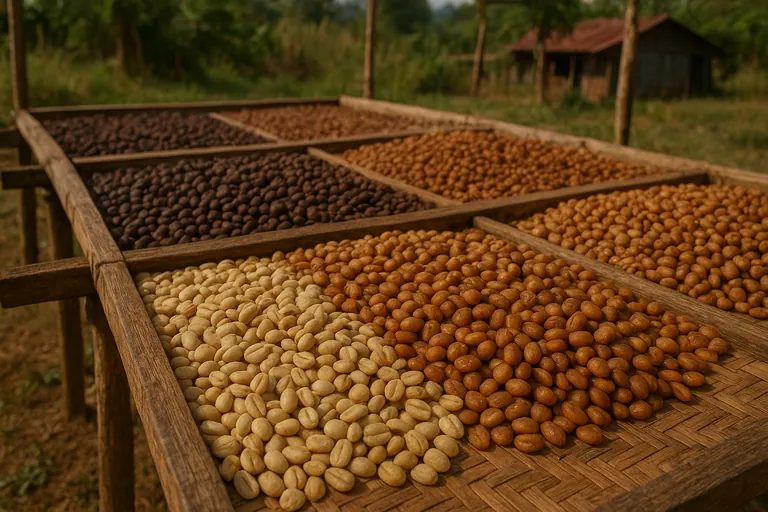
For buyers, physical prep often tells you more than marketing language. Ask for:
-
Moisture: 10.5–12.0%
-
Screen size distribution
-
Defect count by Indonesian or buyer-specific standard
-
Processing method. Washed, honey, natural, or local wet-hulled variants
-
Drying method and final stabilization period
-
Bag type. GrainPro or equivalent inner liner is preferable for export
In Papua, drying discipline is especially important because weather and transport delays can affect stability. We pay close attention to water activity, not just moisture percentage, on coffees moving long distance from origin collection points.
What should I ask for in a sample set?
Don’t request only one sample. Ask for three if available: current production lot, a higher-prep lot, and a representative commercial lot. That will show you the supplier’s sorting standards and how much spread exists between tiers.
If you want to taste and compare before locking a Papua program, Contact us on whatsapp. We can usually advise whether Papua is the right fit or whether a cleaner Flores or brighter Bali lot would better match your roast style.
What is the minimum order quantity for Papua coffee?
The honest answer is that Papua coffee MOQ depends on how the lot is built.
For consolidated export lots, a typical MOQ is 5 to 10 bags for sample-commercial orders if the coffee is already milled and export-ready. For custom-prepared shipments, most suppliers will want at least 1 full pallet equivalent or to combine your order with other Indonesian coffees. Full container economics improve significantly once you move beyond 60 bags total mixed origins.
For microlots, MOQ may be the entire lot. That could be only 8 to 20 bags.
Here’s what this means for your roastery. If Papua is a new origin for you, don’t start with a container-only conversation. Start with a sample and a small commercial lot, then scale once you know how it behaves on your roaster and in your menu.
What is the average Papua coffee wholesale price in 2026?
What should roasters budget for Papua coffee wholesale price?
For 2026, realistic Papua coffee wholesale prices for green Arabica exported from Indonesia will usually fall into these broad ranges, depending on prep, certification, cup quality, and shipment size:
- US$8.20–9.50/kg FOB Indonesia for clean commercial specialty lots around 82–83.5
- US$9.50–11.50/kg FOB for stronger specialty lots in the 84–85 range
- US$11.50+/kg FOB for small microlots, unusual processes, or certified niche programs
Prices move with inland freight, cherry competition, dry milling yield, and bagging specification. Papua often costs more to move than Java or South Sulawesi because origin logistics are simply harder.
A buyer mistake we see often is comparing Papua only by price per kilo. Compare it by landed cup value. A cleaner 84.5 lot with better density and fewer defects may roast with less loss and produce a more compelling retail story than a cheaper but uneven lot.
Can I order Papua coffee directly from farmers?
Yes, but most overseas buyers shouldn’t.
The issue isn’t whether farmers want to sell. It’s that smallholder groups in Papua rarely handle the full export chain at the standard most importers need. Even if you buy farm direct in principle, someone still has to manage parchment aggregation, milling, grading, moisture equalization, documentation, and port delivery.
That’s why many buyers use an exporter as the operating layer while still asking for origin transparency. We can document region, harvest period, process, and lot composition without pretending that every shipment comes from a single estate.
In practice, Papua is often best purchased as farm-linked, exporter-managed supply.
Are there certified Papua coffee suppliers for export?
Yes, but certification needs to be defined clearly.
When buyers ask this, they may mean one of several things: legal exporting status, phytosanitary compliance, fumigation, food safety documentation, organic certification, or traceability paperwork. A serious Papua coffee supplier Indonesia should explain exactly which documents are standard and which are lot-specific.
For most exports, suppliers should be able to handle:
- Commercial invoice and packing list
- Bill of lading
- Certificate of origin when required
- Phytosanitary certificate
- Fumigation or equivalent treatment documents if destination requires them
- Insurance and shipping coordination under agreed Incoterms
Some buyers also need sensory reports, moisture data, and photos of bagging and stuffing. We strongly recommend asking for those up front, especially on first orders.
After you review grades and pricing, the next logical step is to View our products and tell us what profile you’re trying to build. If Papua supply is tight at the moment, we can also suggest close substitutes from Flores, Bali, Java, or Sulawesi with more stable availability.
What export processes do Papua coffee suppliers handle?
A capable exporter should do much more than quote a price.
Our workflow typically includes origin sample collection, cupping, green grading, moisture checks, lot approval, dry milling coordination, final hand sorting if required, export packing, container scheduling, and document preparation. For first-time buyers, we also help align the coffee spec with roast intent so you don’t end up buying a lot that reads beautifully on paper but doesn’t fit your menu.
Papua especially benefits from this oversight because inland transport from highland sourcing points to port staging can add time and risk. The supplier’s job is to reduce surprises before the coffee leaves Indonesia.
How does Papua compare with other Indonesian origins for a buying program?
If you want brightness and cleaner citrus, Bali and Java often offer more consistency. See Arabica Bali Kintamani Grade 1 Green Coffee Beans or Java Preanger Grade 1 Green Coffee Beans.
If you want heavier body and lower acidity, Sumatra is usually easier to source at scale. Sumatra Mandheling Green Coffee Beans is a more predictable option for chocolate-forward programs.
If you want an Indonesian coffee that still feels distinctive and origin-driven without Papua’s supply variability, Flores often sits in a useful middle ground.
That comparison matters because the best buying decision isn’t always “find Papua.” It’s “find the right Indonesian profile for your margin, menu, and roast style.”
Final buying advice for roasters sourcing Papua in 2026
If you’re serious about order Papua coffee beans for a seasonal release or a long-term origin slot, focus on five things. Ask for real cup data. Confirm grade and moisture specs. Clarify MOQ. Compare FOB price against landed quality, not just headline cost. And work with a supplier who can handle export execution end to end.
Papua can be excellent. It just rewards disciplined sourcing more than marketing-driven buying.
If you want to review current availability, sample options, or discuss whether Papua or another Indonesian origin is the better commercial fit for your roastery, Contact us on email.